
Cars in Ethiopia for Sale 🚀
Posted on April 10, 2026
Navigating the car market in Ethiopia has changed dramatically over the last couple of years. If you’re looking to buy a vehicle in 2026, you aren't just looking at different models—you’re looking at a completely different regulatory landscape.
From the historic ban on petrol-car imports to the rise of electric vehicle (EV) hubs in Addis Ababa, here is everything you need to know about finding cars for sale in Ethiopia today.
1. The Big Shift: Electric is No Longer Optional
In early 2024, Ethiopia made headlines as the first country to ban the import of internal combustion engine (ICE) passenger vehicles. Fast forward to 2026, and the results are visible on every street corner in the capital.
• New Imports: If you are looking for a brand-new car, it will almost certainly be electric. Brands like BYD, Toyota (bZ4X), and Volkswagen (ID series) dominate the showrooms.
• Used Market: You can still buy used petrol cars (like the legendary Toyota Vitz or Corolla) from local owners, but expect prices to stay high as the supply of "traditional" cars is now finite.
2. Top Brands & Models for Sale
Whether you’re browsing online or hitting the showrooms in Bole, these are the current market leaders:
Electric Vehicles (The New Standards)
• BYD Seagull & Yuan Up: Compact, affordable, and perfect for city driving.
• Toyota bZ4X: Highly sought after for its brand reliability and higher ground clearance.
• Volkswagen ID.4: A premium favorite for those looking for European build quality.
The "Old Guard" (Used Petrol/Diesel)
• Toyota Vitz / Suzuki Swift: The ultimate "first cars" in Ethiopia, prized for their fuel efficiency and resale value.
• Toyota Corolla (High-roof): Still the king of the taxi and family car segment.
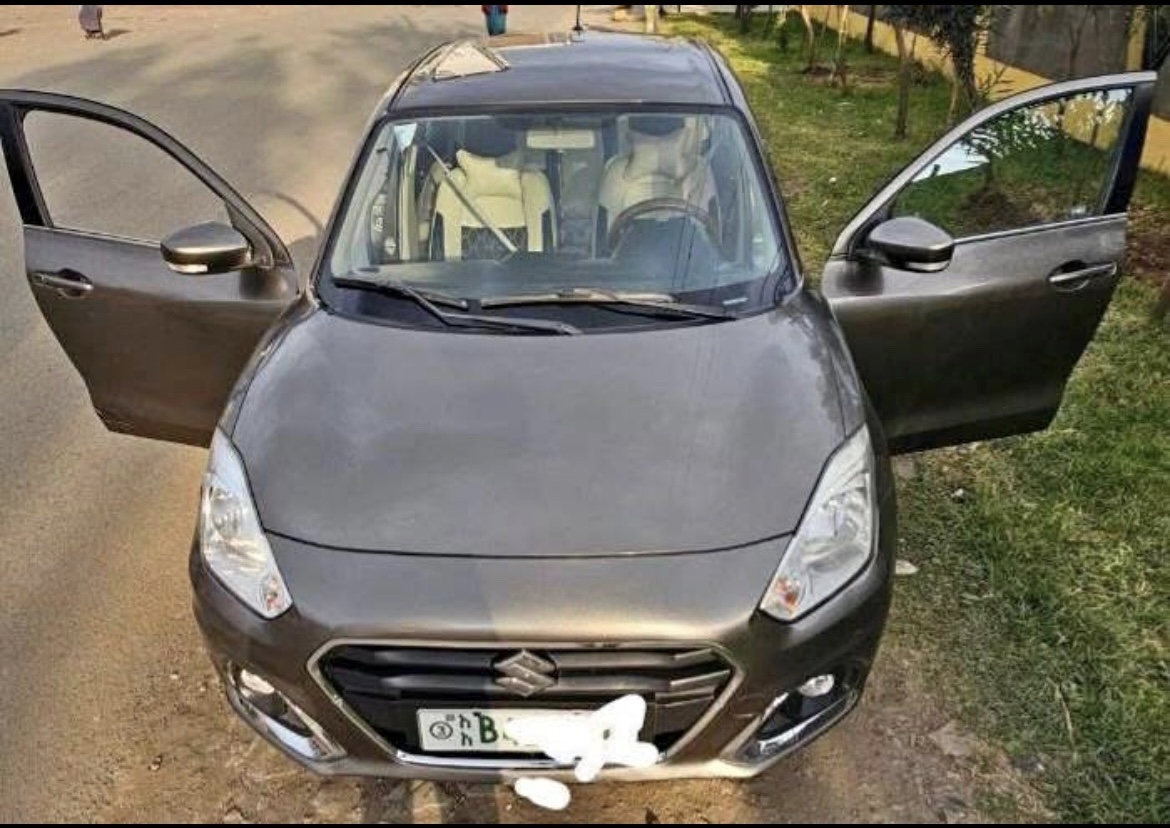
• Suzuki Dzire: A popular choice for those who bought right before the import transition.
3. Understanding the "Tax Advantage"
The Ethiopian government has made buying an EV significantly more attractive through tax incentives.
Pro Tip: If you are a member of the Diaspora, look into the latest "Duty-Free" directives, as there are often specific windows for importing EVs with even lower overhead.
4. Where to Shop: Online & Offline
The days of only finding cars through a Delala (middleman) on the street are fading. Digital platforms are now the primary way to compare prices.
• Online Marketplaces: Websites like Cars45 Ethiopia, Mekina.net, and Megebeya are the go-to spots for listings.
• Physical Dealerships: Most major dealerships are concentrated in Addis Ababa (specifically around Bole, Saris, and Megenagna).
• Social Media: Telegram channels and Facebook Marketplace remain incredibly active for "Quick Sales."
5. Challenges to Keep in Mind
While the market is modernizing, it isn't without its speed bumps:
• Charging Infrastructure: While Addis Ababa now has over 500 public charging stations, infrastructure in regional cities is still catching up.
• Foreign Exchange: Hard currency shortages can still affect the speed at which dealerships can bring in new stock or spare parts.
• Battery Health: When buying a used EV, always ask for a battery health report. Replacing a battery in Ethiopia can be costly and logistically difficult.
Final Verdict
Buying a car in Ethiopia in 2026 is an investment in the future. If you stay within Addis and want low running costs, a locally assembled EV is your best bet for value. However, if you frequently travel to rural areas where the grid is less reliable, a well-maintained used Toyota remains a "gold-standard" asset that holds its value like no other.
From the historic ban on petrol-car imports to the rise of electric vehicle (EV) hubs in Addis Ababa, here is everything you need to know about finding cars for sale in Ethiopia today.
1. The Big Shift: Electric is No Longer Optional
In early 2024, Ethiopia made headlines as the first country to ban the import of internal combustion engine (ICE) passenger vehicles. Fast forward to 2026, and the results are visible on every street corner in the capital.
• New Imports: If you are looking for a brand-new car, it will almost certainly be electric. Brands like BYD, Toyota (bZ4X), and Volkswagen (ID series) dominate the showrooms.
• Used Market: You can still buy used petrol cars (like the legendary Toyota Vitz or Corolla) from local owners, but expect prices to stay high as the supply of "traditional" cars is now finite.
2. Top Brands & Models for Sale
Whether you’re browsing online or hitting the showrooms in Bole, these are the current market leaders:
Electric Vehicles (The New Standards)
• BYD Seagull & Yuan Up: Compact, affordable, and perfect for city driving.
• Toyota bZ4X: Highly sought after for its brand reliability and higher ground clearance.
• Volkswagen ID.4: A premium favorite for those looking for European build quality.
The "Old Guard" (Used Petrol/Diesel)
• Toyota Vitz / Suzuki Swift: The ultimate "first cars" in Ethiopia, prized for their fuel efficiency and resale value.
• Toyota Corolla (High-roof): Still the king of the taxi and family car segment.
• Suzuki Dzire: A popular choice for those who bought right before the import transition.
3. Understanding the "Tax Advantage"
The Ethiopian government has made buying an EV significantly more attractive through tax incentives.
Pro Tip: If you are a member of the Diaspora, look into the latest "Duty-Free" directives, as there are often specific windows for importing EVs with even lower overhead.
4. Where to Shop: Online & Offline
The days of only finding cars through a Delala (middleman) on the street are fading. Digital platforms are now the primary way to compare prices.
• Online Marketplaces: Websites like Cars45 Ethiopia, Mekina.net, and Megebeya are the go-to spots for listings.
• Physical Dealerships: Most major dealerships are concentrated in Addis Ababa (specifically around Bole, Saris, and Megenagna).
• Social Media: Telegram channels and Facebook Marketplace remain incredibly active for "Quick Sales."
5. Challenges to Keep in Mind
While the market is modernizing, it isn't without its speed bumps:
• Charging Infrastructure: While Addis Ababa now has over 500 public charging stations, infrastructure in regional cities is still catching up.
• Foreign Exchange: Hard currency shortages can still affect the speed at which dealerships can bring in new stock or spare parts.
• Battery Health: When buying a used EV, always ask for a battery health report. Replacing a battery in Ethiopia can be costly and logistically difficult.
Final Verdict
Buying a car in Ethiopia in 2026 is an investment in the future. If you stay within Addis and want low running costs, a locally assembled EV is your best bet for value. However, if you frequently travel to rural areas where the grid is less reliable, a well-maintained used Toyota remains a "gold-standard" asset that holds its value like no other.